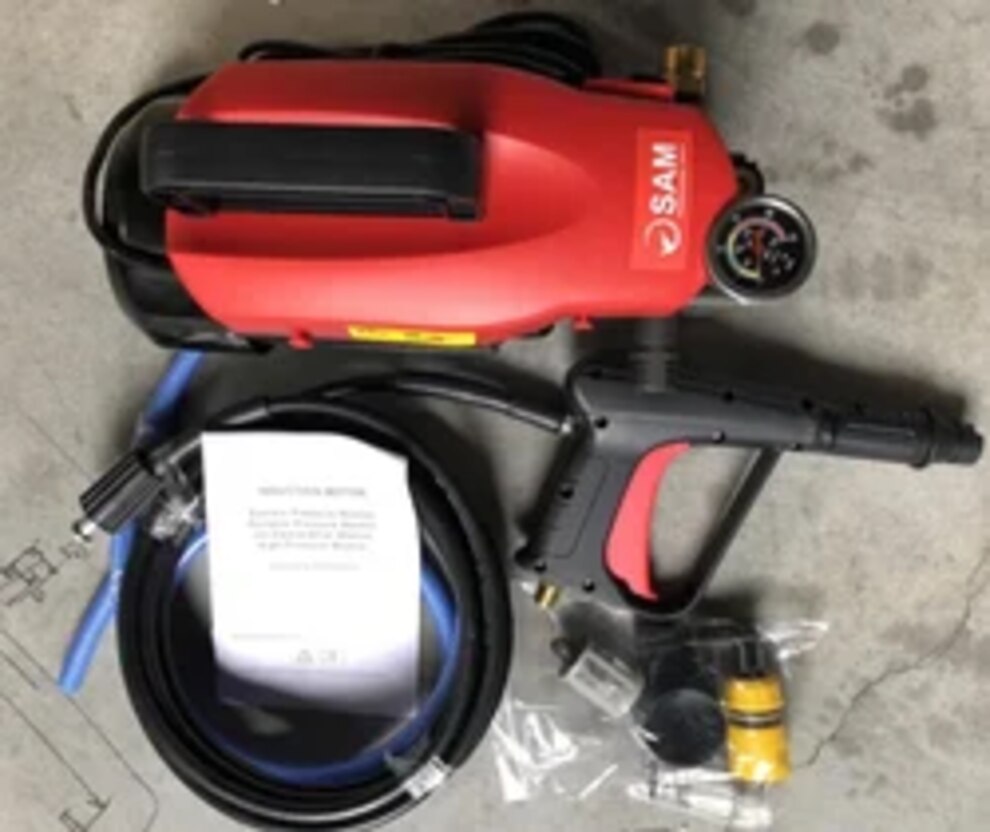
Mud, manure, fertiliser, oil and pesticide residue require more than a quick hose rinse, yet excessive pressure can damage seals, paint, wiring and concrete. You will learn how to choose the right water flow and nozzle, clean each surface safely, control contaminated washwater and decide when another method is better.
Key takeaways
- Use pressure washing for dried mud, manure, crop residue and soil.
- Select pressure, flow and nozzle angle for each surface.
- Clean from high areas downward without forcing water into bearings or electrics.
- Collect or direct washwater away from drains, soil and watercourses.
What a pressure washer cleans that a sprayer or pump cannot
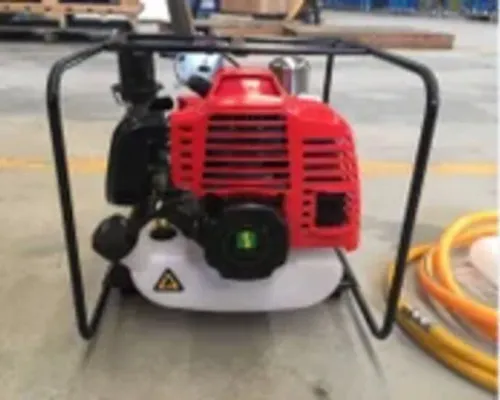
Use a high pressure washer for water-only cleaning of machinery and outdoor surfaces. Its pump, trigger gun and interchangeable nozzles deliver a controlled water jet that removes dried mud, manure, crop residue and soil from frames, implements, tyres, concrete and paving. Detergent can be added for washing, but the machine is not a crop-chemical applicator.
Scrape and brush loose material first; high pressure does not disinfect equipment.
| Machine | Designed for | What it does | Why it is not interchangeable |
|---|---|---|---|
| High pressure washer | Water-only cleaning | Removes bonded soil and residue with high-flow water | Not designed to apply crop chemicals |
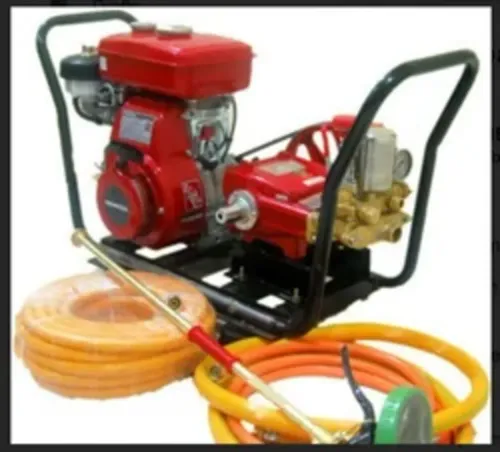
| Crop sprayer | Field chemical application | Distributes herbicide, pesticide or fertiliser at a chosen dose | Its spray pattern targets plants, not stuck-on dirt |
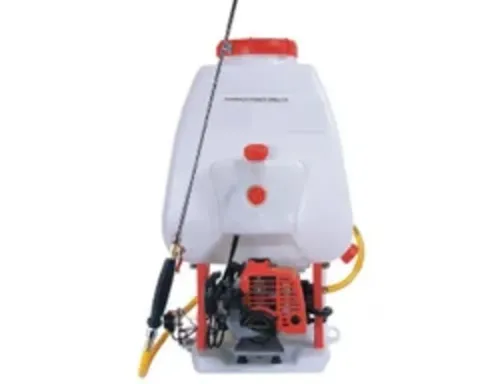
| Knapsack sprayer | Portable chemical application | Carries and applies diluted chemical through a lance | Lower output and different nozzles make it poor for farm equipment cleaning |
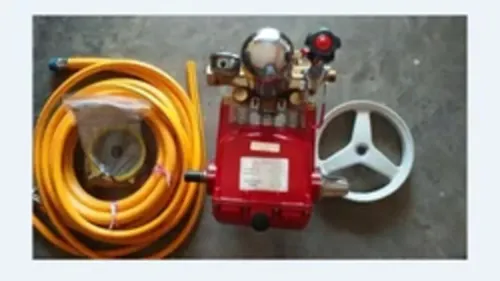
| HTP pump | High-pressure liquid transfer or spraying | Supplies pressure for a sprayer, hose system or lance | The pump alone is not a complete cleaning machine |
The pressure washer versus crop sprayer decision is about cleaning power versus chemical dosing. In the knapsack sprayer versus pressure washer comparison, portability favours the knapsack, while water flow and impact favour the washer. Keep pesticide, fertiliser and disinfectant application separate from routine washing.
Choose pressure, water flow and nozzles for each surface
Compare cleaning units (CU), calculated as PSI × GPM, not PSI alone. A high litres per minute pressure washer flow rate removes soil faster at the same pressure, but CU is only a sizing heuristic; nozzle shape, hose size and duty cycle also affect results.
| Surface | Pressure | Flow and spray pattern |
|---|---|---|
| Tractor frames | 1,500–2,500 PSI | 2.5–4 GPM; 25° fan |
| Harvesters and implements | 1,500–2,500 PSI | 3–5 GPM; 25° fan, moving continuously |
| Tyres | 1,000–1,500 PSI | 1.5–2.5 GPM; 25° or 40° fan |
| Concrete | 2,500–3,500 PSI | 3–5 GPM; 15° fan or surface cleaner |
| Paving blocks | 1,500–2,500 PSI | 2–4 GPM; 25° fan to avoid joint erosion |
| Painted panels | 800–1,500 PSI | 1.5–2.5 GPM; 40° fan from a greater distance |
| Electrical components | 500–1,000 PSI | 0.5–1.5 GPM; wide 40° fan, never a pinpoint jet |
Start with the widest practical pattern, test an unseen area and keep the nozzle moving. A zero-degree jet can cut paint, etch concrete and damage decals. Shield bearings, seals, alternators, connectors, air intakes and breathers; pressure alone does not make cleaning safer.
Follow a cleaning sequence that removes soil without spreading it
Start with the dirtiest machine in a contained wash area, not beside a drain, ditch or stream. This farm machinery cleaning sequence keeps mud, manure, fertiliser and chemicals from being redistributed across clean surfaces.
1. Remove keys and loose attachments. Scrape manure, dried soil and crop residue with a shovel or brush, collecting the solids for proper disposal. Cover air intakes, electrical connectors and sensitive controls.
2. Use a low-pressure pre-rinse from a safe distance, working from the top down. This removes remaining grit without turning organic material into a contaminated aerosol. Do not blast bearings, seals or breather openings.
3. Apply a suitable pressure washer detergent at its label dilution, then pre-soak farm equipment. Let it dwell for the stated time without allowing the detergent to dry; detergent loosens oily soil and fertiliser crust that water alone leaves behind.
4. Rinse from clean areas towards dirty ones, again from the top down. After pesticide residue cleaning, collect all runoff and follow the product label and local disposal rules; never send it into stormwater or soil.
5. Inspect joints, guards and undersides, then dry with clean air or low-pressure airflow. Lubricate points listed in the operator manual, because trapped water can rust metal and remove grease. Pressure washing does not disinfect equipment; apply an approved disinfectant when biosecurity requires it.
Protect bearings, electrics and operators from pressure damage
Shield vulnerable parts before the trigger is pulled. Direct the jet away from bearings, seals, breathers and air intakes; forced water can remove grease, carry grit past seals or enter the engine. Cover alternators, connectors and control panels, then use a wide fan at reduced pressure around protected areas.
Use this pressure washer safety checklist:
- Let the engine, exhaust, manifold and turbocharger cool before washing. Keep water out of the intake, fuel system and hydraulic breather openings.
- For electrical components, pressure washing requires a dry, isolated power supply. Use a ground-fault circuit interrupter (GFCI) on applicable 120-volt, single-phase, 15- or 20-ampere outlets; keep plugs, connections and extension-cord joints out of standing water.
- Wear pressure washer PPE: eye and face protection, waterproof gloves, hearing protection, non-slip boots and clothing that covers exposed skin. Add chemical-resistant gloves and an apron when applying detergent or removing pesticide residue.
- Never point the lance at a person, hand or foot, even briefly. A small puncture can inject fluid deep into tissue; seek immediate medical care for any suspected injection injury.
- Follow the detergent label, avoid mixing chemicals and wash contaminated clothing separately.
After rinsing, dry exposed metal and grease the specified points. Water removal does not replace displaced lubricant or stop flash corrosion. Do not restart the engine until the intake and electrical systems are dry.
Control washwater and choose the right cleaning method
Send contaminated washwater to a lined wash pad, settling tank or approved wastewater system—not a field, storm drain, pond or stream. For pesticide, oil, manure or disinfectant residues, check the product label and local discharge rules before reuse or disposal. Scrape solids first; this reduces farm washwater disposal volume and prevents slurry spreading.
| Method | Better choice | Worse choice when |
|---|---|---|
| Bucket and brush | Small areas, delicate parts and controlled water use | Caked mud covers a complete machine |
| Hose | Light dust, final rinsing and low-pressure work near seals | Dried manure, grease or compacted soil needs removal |
| Pressure washer | Frames, implements, tyres and concrete with heavy soil | Bearings, connectors, alternators, breathers and air intakes are exposed |
| Steam cleaner | Steam cleaning farm equipment with greasy, oily deposits and limited runoff | Heat could damage paint, seals, plastics or electrics |
| Compressed air cleaning | Dry crop residue from grilles, ledges and cabins | Dust could reach workers, bearings or adjacent clean equipment |
Dry brushing before washing cuts pressure washer water consumption. A 4-GPM unit running for 30 minutes uses about 120 gallons, so use the trigger gun and automatic stop. Pressure washing also does not disinfect; collect contaminated runoff and apply a compatible disinfectant separately when biosecurity requires it.
Match a water-only washer to the work you actually do
Choose a water-only pressure washer by cleaning units and water flow, not PSI alone. Cleaning units (CU) equal PSI × gallons per minute (GPM), but CU is only a sizing heuristic; compare the nozzle, hose, unloader, trigger-gun shutoff and duty cycle as well.
| Option | Compare | Choose it when |
|---|---|---|
| Water-only pressure washer | PSI, GPM, CU, duty cycle, hose length and water-tank demand | You need to remove mud, manure, residue or soil from machinery and hard surfaces |
| Crop or knapsack sprayer | Chemical-tank compatibility, application pressure, discharge and spray control | You need to apply pesticide, herbicide, fertiliser or disinfectant rather than strip dirt |
| HTP pump | Suction lift, discharge rate, pressure, prime system and intended fluid | You need to move or spray water over distance, not produce a controlled cleaning jet |
GPM determines water use: a 4-GPM machine running for 30 minutes consumes about 120 gallons. Check the farm’s supply, tank capacity and recovery plan before choosing a high-flow model.
Ask Importers of Agricultural Equipments to identify whether a quoted machine is designed for cleaning or chemical application; a sprayer’s pressure rating does not make it a farm equipment washer. Choose a lower-duty unit for occasional yard work and a commercial duty cycle for daily fleet cleaning.
Related products
 | PORTABLE POWER SPRAYERS Engine Type: Air Cooled, 4 Stroke Engine Displacement: 35cc Pump Pressure: 15-25kg/cm Discharge: 5-8Lpm View product → |
 | PORTABLE POWER SPRAYERS Engine Type: Air Cooled, 4 Stroke Engine Displacement: 25cc Pump Pressure: 15-25kg/cm Discharge: 5-8Lpm View product → |
Frequently asked questions
What can a high-pressure washer clean that a sprayer or pump cannot?
It removes bonded dried mud, manure, crop residue and soil from machinery frames, implements, tyres, concrete and paving. A sprayer or pump applies liquid but does not deliver the same focused cleaning jet.
How do you choose pressure, water flow and nozzles?
Match the pressure, flow rate and nozzle to the surface. Use wider spray angles and lower pressure for painted panels, seals and delicate parts; reserve narrower jets for durable surfaces while keeping the nozzle moving.
What cleaning sequence prevents soil from spreading?
Remove loose material first, work from the highest areas downward, clean cleaner sections before heavily soiled ones, and rinse the floor or work area last.
How do you protect bearings, electrics and operators?
Do not aim directly at bearings, seals, connectors, control panels or engine air intakes. Wear eye and hearing protection, keep stable footing, and maintain a safe distance while the trigger is engaged.
How should you control washwater?
Keep contaminated water away from storm drains, open soil and watercourses. Collect it or direct it to an approved contained treatment or disposal area, following local site requirements.
Related products
 | KNAPSACK POWER SPRAYERS Engine Type: Air Cooled, 4 Stroke Engine Displacement: 39cc Tank Capacity: 20Ltr Discharge: 3-8Lpm Pressure: 15-25 Kg/cm² Weight: 11kg View product → |
 | PORTABLE POWER SPRAYERS Engine Type: Air Cooled, 2 Stroke Engine Power: 1.25kw/1.7HP Engine Displacement: 42.7cc Pump Pressure: 35kg/cm² Discharge: 5-15Lpm View product → |
 | HTP PUMPS Required Power: 2-5HP Discharge: 30-40LPM Pressure: 20-45 kg/cm² Required RPM: 1000-1200 View product → |